Website Development Services Explained: A Beginner's Guide for Businesses
Many businesses reach the same point when planning their online presence: they know they need a website, but they are unsure what actually goes into building one. A business owner may understand that a website is important, yet questions often remain. Do they need a simple company website or a more advanced solution? Why do development quotations vary so much? Which technology is suitable? What should they expect from a professional developer?
A website is no longer simply a collection of online pages. A professionally developed website combines structure, design, functionality, content management, security, performance and user experience. The right approach depends on what a business wants to achieve, who its customers are, what features are required and how the website may need to grow in the future.
This is where Website Development Services become valuable. Professional development involves planning, creating and maintaining websites that are designed around business objectives rather than just creating attractive pages. From responsive layouts and content management systems to custom functionality, integrations and ongoing improvements, website development covers the complete process of bringing a digital platform to life.
For businesses considering a new website or improving an existing one, understanding how development works makes it easier to choose the right solution and avoid costly decisions later. This guide explains what website development includes, how different approaches work and what companies should consider before selecting a development partner.
What Are Website Development Services?
In simple terms, Website Development Services involve the process of building, programming and managing a website so that it works effectively for both visitors and the business behind it. While website design focuses mainly on how a website looks, development focuses on making sure the website functions correctly.
A complete website requires both creative and technical work. The design determines the visual experience, layout, colours, navigation and overall appearance. Development turns that design into a working website that users can interact with.
Professional Website Development Services may include everything from basic company websites to advanced web applications, depending on the organisation's requirements.
Website Design vs Website Development
Website design focuses on the appearance and usability of a website. Designers consider elements such as page layouts, colours, typography, navigation and how visitors move through different sections.
Website development focuses on implementing those designs through code and technology. Developers make sure buttons work, forms submit correctly, pages load efficiently and website features perform as expected.
A successful website requires both areas to work together. A visually impressive website may still fail if it is slow, difficult to use or lacks important functionality. Similarly, a technically strong website may not perform well if visitors struggle to understand the layout.
Front-End Development
Front-end development refers to the part of a website that visitors directly see and interact with. It includes elements such as menus, buttons, page layouts, images, animations and responsive behaviour.
Responsive development is especially important because users access websites from different devices, including desktops, tablets and smartphones. A properly developed website should adapt smoothly to different screen sizes.
Back-End Development
Back-end development manages the functionality that happens behind the scenes. It includes server-side processes, databases, user management, website logic and integrations.
For example, when a customer submits a contact form, creates an account or completes an online purchase, the back-end processes ensure that the information is handled correctly.
CMS Development
A content management system, commonly known as a CMS, allows authorised users to create, edit and manage website content without needing to change code manually.
A CMS can be useful for businesses that regularly update blogs, service pages, products or company information. It gives teams more control over their website after development is complete.
E-commerce Development
E-commerce websites require additional functionality because they support online transactions. They usually include product management, shopping carts, payment systems, customer accounts and order processing.
Unlike a standard business website, an online store must manage commercial activities securely and efficiently.
Custom Web Applications
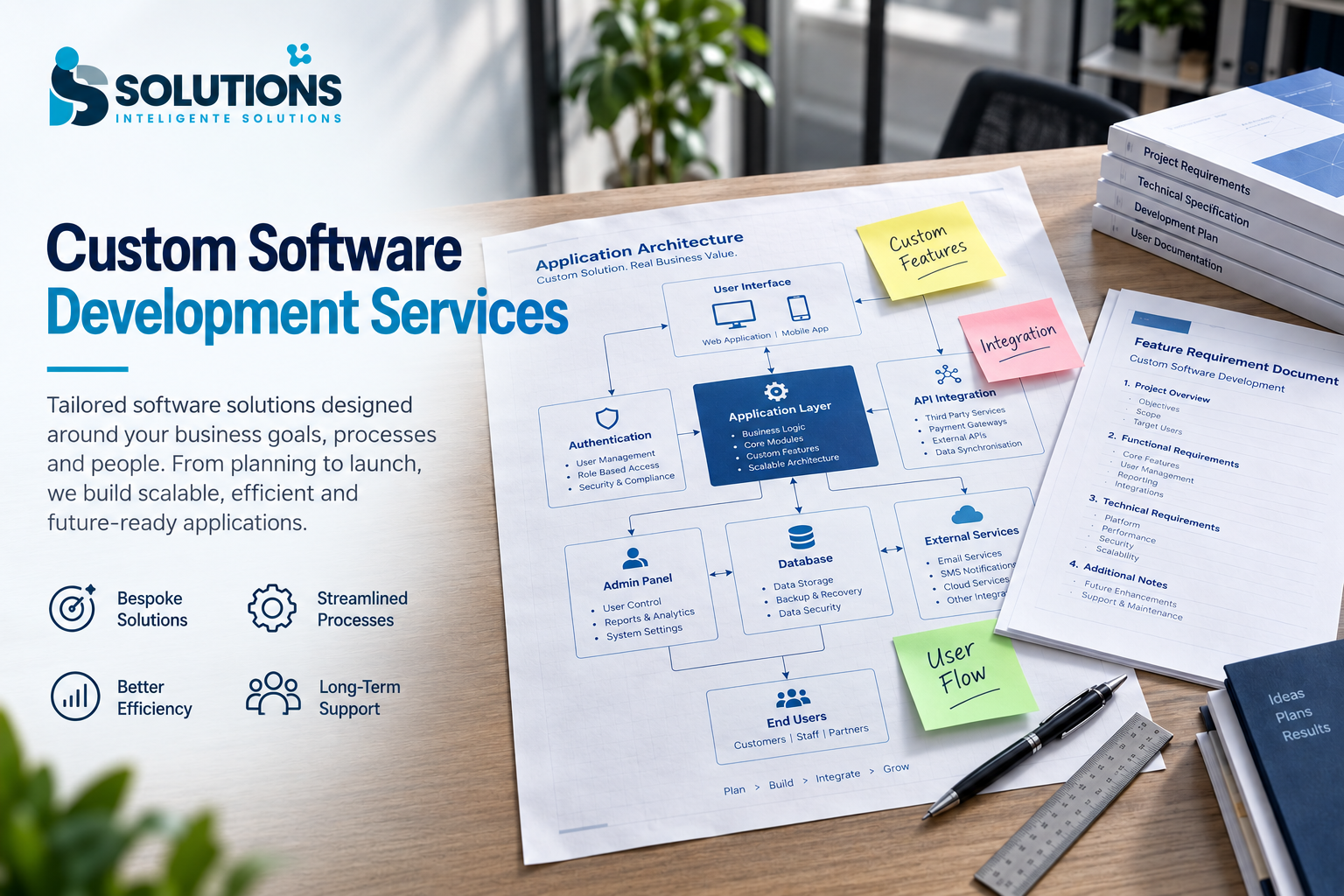
Some businesses need more than a traditional website. They may require customer portals, internal dashboards, booking systems, automated workflows or connections with existing software.
In these cases, custom web applications can provide functionality designed specifically around business processes rather than relying only on standard website features.
Why Businesses Need Professional Website Development
Many businesses initially view a website as a digital brochure, but a professionally developed website can become an important business tool. It can support customer communication, generate enquiries, provide information and improve how people interact with a company.
A poorly developed website can create problems that become more difficult and expensive to fix later. Issues such as slow loading speeds, poor mobile usability, limited functionality and difficult content updates often result from choosing a solution without proper planning.
Working with an experienced website development company helps businesses approach website projects strategically. A professional development partner considers not only how the website looks but also how it supports the company's goals.
First Impressions and User Experience
A website is often one of the first interactions a potential customer has with a business. Visitors expect websites to be clear, fast and easy to navigate.
Good development supports a better user experience by ensuring that important information is easy to find, pages load efficiently and visitors can complete actions without confusion.
Mobile Accessibility
A large number of users browse websites through mobile devices. A website that does not work properly on smaller screens can create frustration and reduce engagement.
Responsive website development ensures that layouts, images and features adjust correctly across different devices.
Website Speed and Performance
Performance affects how users experience a website. Slow pages, unnecessary loading delays and inefficient code can make visitors leave before they explore the business further.
Professional development focuses on creating websites that are structured efficiently and prepared for real-world usage.
Security and Future Growth
Security is another important consideration. Websites often handle contact details, customer information, payments or business data, making proper security practices essential.
Businesses should also consider future growth. A website that works today should have enough flexibility to support additional pages, features or integrations later.
What Does a Website Development Company Actually Do?
A professional website development company does more than write code. The development process usually begins with understanding what the business needs and why the website is being created.
Before development starts, a team may review the company's objectives, target audience, required features and expected user journey. This planning stage helps create a website structure that supports real business requirements.
Understanding Requirements
Every website project begins with gathering requirements. This involves understanding the purpose of the website, the information it needs to present and the actions users should be able to take.
For example, a service-based company may need enquiry forms and service pages, while an online retailer may require product management and payment functionality.
Planning Website Structure
Developers and designers work together to plan how pages should be organised. This includes navigation, content sections and the overall user journey.
A clear structure helps visitors find information quickly and allows businesses to manage their content more effectively.
Building Front-End Features
The front-end development stage converts designs into interactive website pages. Developers create layouts, navigation systems, forms and other visible features.
The goal is to ensure that the website looks consistent and works smoothly across devices.
Developing Back-End Systems
For websites requiring additional functionality, back-end development creates the systems that power the website.
This may include databases, user accounts, content management features, business tools and third-party integrations.
Testing and Launch
Before a website goes live, professional development involves testing different areas of functionality. This may include checking forms, links, mobile performance, security features and compatibility across different browsers.
After testing is complete, the website can be deployed and made available to users.
Ongoing Support
Website development does not always end after launch. Businesses may require updates, security improvements, technical fixes and additional functionality as their needs change.
A capable development partner understands that websites often evolve over time.
Custom Website Development Services: When Do You Need Them?
Not every business requires a highly customised website, but some organisations need functionality that cannot be achieved effectively through standard templates.
Custom website development services involve creating website features and systems based on specific business requirements. It goes beyond changing colours, images or basic layouts. It focuses on building functionality around the way a company operates.
For businesses with unique processes, custom development can provide greater flexibility and control.
For example, a company may require:
- A customer dashboard with personalised information
- A booking system connected to internal processes
- Custom forms with advanced workflows
- Integration with business software
- Special reporting features
- Industry-specific tools
A company with straightforward requirements may not need a fully custom solution. A standard website or CMS-based approach may provide everything needed. The right choice depends on the business model, functionality requirements and future plans.
Businesses considering tailored solutions can explore custom website development services when they need functionality designed specifically around their objectives.
Business Website Development for Different Types of Companies
Every organisation has different goals, which means website requirements can vary significantly. A small local business, a professional service provider and a growing organisation may all need different approaches.
Business website development focuses on creating websites that represent a company professionally while supporting practical business goals.
A small business may need a simple website that explains its services, provides contact details and helps potential customers understand what it offers. A larger organisation may require more detailed functionality, multiple sections, integrations and advanced content management.
Common elements of a business website include:
- Company information
- Service pages
- Contact forms
- Team profiles
- Case studies
- Blogs and resources
- Customer testimonials
- Lead-generation features
The most effective websites are designed around what visitors need to know and what actions the business wants them to complete.
Professional business website development should reflect the company's identity while creating a smooth experience for users.
eCommerce Website Development Services
An online store requires more than simply displaying products on a page. It needs systems that allow customers to browse products, make purchases and receive order updates.
eCommerce website development services involve building websites with commercial functionality, including product catalogues, shopping carts, checkout processes and payment integration.
Important areas of eCommerce development include:
Product Management
Businesses need ways to add, edit and organise products. This may include descriptions, images, categories, pricing information and stock details.
Shopping and Checkout
The purchasing process must be simple and reliable. Customers should be able to select products, review orders and complete payments without unnecessary complications.
Payment Integration
Online stores often require connections with payment providers so customers can complete transactions securely.
Customer Accounts and Order Management
Many eCommerce websites include customer profiles, order history and administrative tools that help businesses manage sales efficiently.
Security
Because eCommerce websites handle customer and payment information, security must be carefully considered during development.
A successful online store requires planning around both customer experience and business operations. Companies exploring online selling may benefit from understanding eCommerce website development services and how they support digital commerce.
WordPress or Custom Development: Which Is Better?
There is no single website development approach that is automatically right for every business. The best choice depends on the company's goals, required functionality and future plans.
WordPress is a popular CMS platform that allows businesses to manage website content easily. It can be a suitable option for many organisations, including blogs, company websites and content-focused platforms.
For businesses that need regular updates without relying heavily on developers, WordPress website development can provide a practical solution.
Custom development may be more suitable when a website requires specialised functionality, unique workflows or advanced integrations. This approach allows developers to create systems specifically around business requirements.
The decision should not be based on which option sounds more advanced. A simple business website may work perfectly with WordPress, while an organisation with complex needs may require a custom-built platform.
The right technology is the one that supports the actual purpose of the website.
Website Development Cost: What Actually Determines the Price?
One of the most common questions businesses ask before starting a website project is how much development will cost. However, there is no single answer because every website has different requirements, features and levels of complexity.
Understanding website development cost is less about finding a fixed price and more about understanding what affects the overall scope of work. A simple informational website and a complex platform with advanced functionality require very different levels of planning, design and development.
Businesses should compare quotations by looking at what is included rather than focusing only on the final amount. A lower quotation may not include certain features, support services or technical requirements that another provider has included.
Several factors influence website development cost.
Website Size
The number of pages and the amount of content required can affect the overall development process. A small company website with a limited number of pages will generally involve different requirements compared with a larger website containing multiple sections, resources or user areas.
The website structure, content organisation and number of templates required all contribute to the level of development work involved.
Design Requirements
Design requirements can also influence the project scope. A website created around a unique design approach may require more planning and development compared with adapting an existing design framework.
Custom layouts, specialised user experiences and detailed interface requirements often require additional development attention.
Functionality
The features a website needs are one of the biggest factors affecting development complexity.
A website with basic information pages may only require standard functionality, while another business may need booking systems, customer accounts, dashboards, automated workflows or advanced forms.
The more specific the functionality, the more planning and technical development may be required.
CMS Requirements
A content management system affects how businesses update and control their websites after launch.
Some businesses need a simple CMS for editing pages and publishing content, while others require more advanced content structures, user permissions or custom workflows.
eCommerce Requirements
Online stores usually require additional functionality because they support transactions directly. Product management, checkout systems, payment integrations, customer accounts and order handling all require careful development.
Integrations
Many businesses connect their websites with other systems, including customer relationship management platforms, payment services, booking tools, marketing platforms and internal software.
These integrations may require additional development to ensure that information moves correctly between different systems.
Maintenance and Future Development
A website is not always a one-time project. Businesses may need ongoing updates, security improvements, technical support and new features as their requirements change.
Considering future needs during the initial development stage can help businesses avoid unnecessary redevelopment later.
The most effective way to evaluate a website project is to understand the complete scope of work, including functionality, technology, support and long-term requirements.
Professional Website Design and Development Services
A successful website requires both strong visual design and reliable technical development. Professional website design and development services combine creative planning with technical implementation to create websites that are attractive, functional and easy to use.
A visually appealing website can create a positive first impression, but appearance alone is not enough. Visitors also need clear navigation, fast loading pages, accessible content and a smooth experience across different devices.
Good design and development work together through areas such as:
- Clear page layouts
- Consistent branding
- Mobile responsiveness
- Simple navigation
- Effective user journeys
- Accessible content structure
- Performance optimisation
For example, a website may have excellent visuals but still perform poorly if visitors cannot quickly find information or complete important actions.
Similarly, technically advanced development may not deliver the desired results if the website does not provide a clear and comfortable experience for users.
Businesses should look for a development approach where design and technology support the same goal: helping users understand the business and interact with it effectively.
Affordable Website Development Services: What Should Businesses Look For?
Many businesses search for affordable website development services, but affordability should not simply mean choosing the lowest quotation.
A website is an investment in how a company communicates with customers, manages information and supports future growth. Selecting a provider only because the initial cost appears lower can create challenges if important features, support or quality considerations are missing.
When evaluating affordability, businesses should consider:
- The complete project scope
- Development quality
- Technology choices
- Security practices
- Future scalability
- Maintenance options
- Communication process
An affordable solution is one that provides appropriate value for the business requirement. A small company may not need a highly complex platform, while a growing organisation may require stronger foundations to support future expansion.
The important question is not simply, “Which option costs less?” but rather, “Which solution provides the right balance between requirements, quality and long-term value?”
Portfolio Websites and Personal Brands
Not every website is created for a traditional company. Professionals, consultants, freelancers and creative specialists often need websites that showcase their work and personal brand.
A portfolio website should make it easy for visitors to understand the person's skills, experience and services. It should present work clearly while encouraging visitors to take the next step, such as making an enquiry or requesting more information.
Important features of a portfolio website may include:
- Project showcases
- Service information
- Professional biography
- Testimonials
- Contact opportunities
- Visual galleries
A carefully planned portfolio can help professionals present their work in a structured and professional way. Businesses and individuals with specific presentation requirements may consider custom portfolio website development when a standard template does not provide the flexibility they need.
Custom CMS Development Services
A content management system allows businesses to manage website content without editing website code directly. Users can create, update and organise information through an administration area.
For many businesses, a standard CMS provides enough functionality. However, organisations with specific content structures or complex workflows may benefit from custom CMS development services.
Custom CMS solutions may be useful when businesses need:
- Different user permission levels
- Large amounts of content management
- Custom publishing workflows
- Special administrative features
- Unique content organisation
For example, a company managing multiple departments, services or large amounts of information may require a CMS designed around its internal processes.
Custom CMS development should be considered when standard systems do not fully support the way a business needs to manage information. Businesses looking for tailored content management solutions can explore custom CMS development services based on their specific requirements.
Laravel, PHP, React and Node.js: Why Technology Choices Matter
There is no single technology that is automatically the correct choice for every website. The right technology depends on the purpose of the project, required functionality, integrations, performance needs and future plans.
Different technologies are designed to support different types of development challenges.
Laravel and PHP
PHP is a widely used server-side programming language that powers many websites and web applications. Laravel is a PHP framework that provides structured tools for building customised and maintainable web solutions.
Laravel can help developers create secure and organised applications with features such as user management, database handling and custom business functionality.
For businesses requiring tailored platforms, dashboards or specific website features, Laravel and PHP website development may provide a suitable development approach.
React and Node.js
React and Node.js are modern JavaScript technologies used for creating interactive and application-style web experiences.
React is commonly used for building dynamic user interfaces, while Node.js allows JavaScript to run on the server side, supporting modern web applications and online platforms.
These technologies can be useful for projects that require highly interactive features, real-time functionality or advanced user experiences.
Businesses considering modern application-based solutions may explore React and Node.js website development when these technologies align with their project requirements.
Technology selection should always follow business needs rather than trends. A suitable technology choice is one that supports the website's purpose, maintenance requirements and future growth.
How to Choose the Right Website Development Company
Selecting the right development partner is an important decision because the quality of the development process can affect the website for years after launch.
Businesses should look beyond technical skills alone. A good development partner should understand the reason behind the website project and how the website supports the wider business.
Important factors to consider include:
Relevant Experience
Review whether the development team understands projects similar to the one being planned. Experience with different website types can help developers identify suitable approaches.
Technical Capability
A development company should have knowledge of relevant technologies and understand how to select tools based on project requirements.
Communication
Clear communication helps avoid misunderstandings about features, timelines and expectations. Businesses should choose a partner that explains technical decisions in a way they can understand.
Development Process
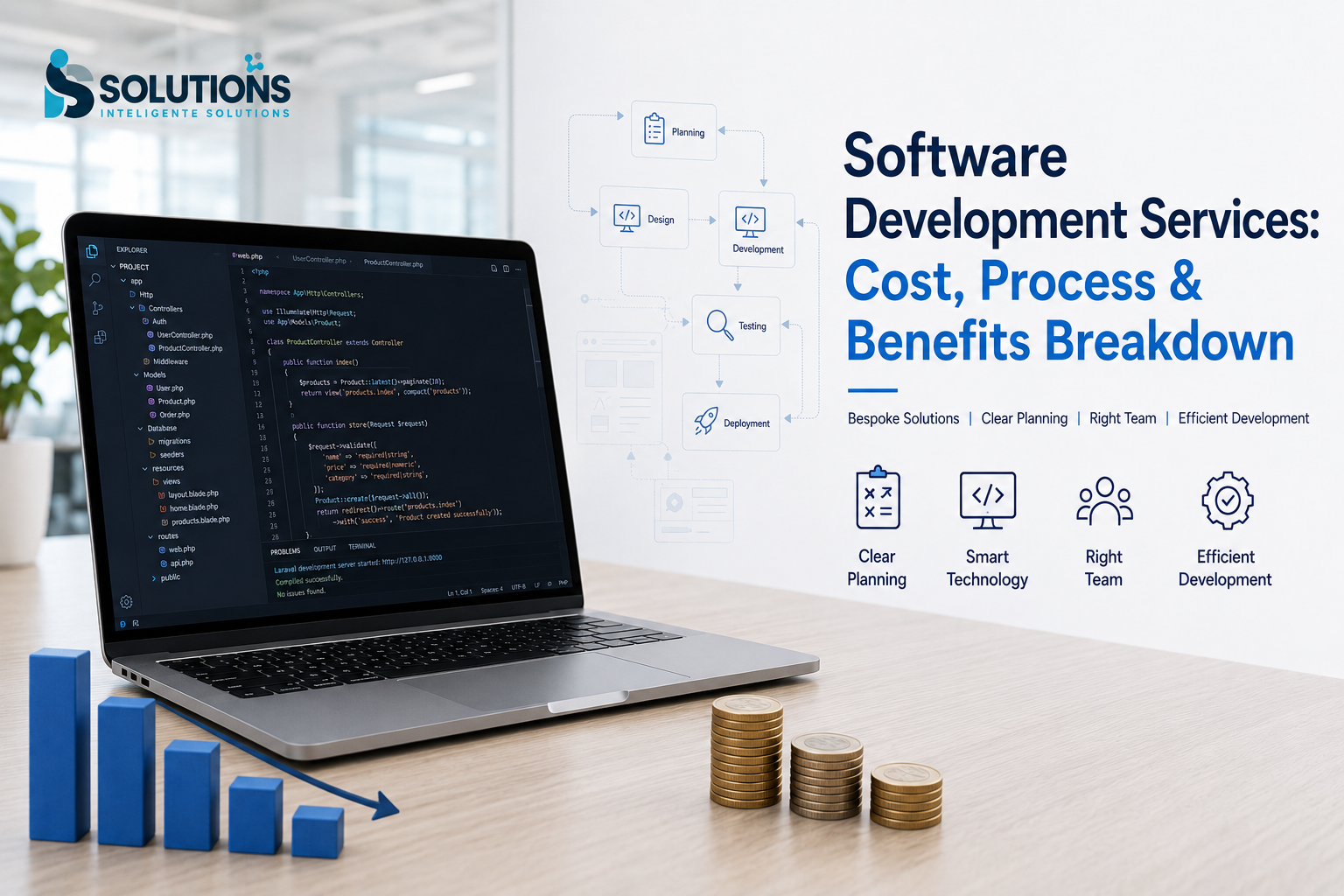
A structured process helps ensure that planning, design, development, testing and launch are handled properly.
Support and Maintenance
Businesses should understand what happens after launch. Ongoing updates, security improvements and technical assistance may be important depending on the website.
The best development partner is not simply someone who can write code. It is someone who understands the business challenge and creates a solution around that challenge.
Why Businesses Consider Inteligente Solutions
Different businesses require different website solutions. Some may need a straightforward company website, while others may require custom functionality, eCommerce features, content management systems or advanced web applications.
Inteligente Solutions provides website development capabilities across different project requirements, including business websites, custom websites, eCommerce solutions, WordPress websites, CMS development and modern web technologies.
The company approach focuses on understanding the purpose of each website project and selecting suitable development methods based on functionality, user needs and business objectives.
Businesses exploring different development options can learn more about Inteligente Solutions and the range of website development capabilities available.
The most suitable website solution is not always the most complicated one. It is the solution that provides the right functionality, supports users effectively and allows the business to grow.
What Happens After a Website Is Built?
Website development does not necessarily end when a website goes live. Like any important business tool, websites often require ongoing attention.
After launch, businesses may need support with:
- Content updates
- Security improvements
- Bug fixes
- Performance monitoring
- Backups
- New features
- Technical improvements
Regular maintenance helps keep websites secure, functional and aligned with changing business requirements.
Businesses should discuss post-launch support before starting a project so they understand what assistance may be available after completion.
A website that is maintained properly can continue supporting business objectives as customer expectations and technology change.
Final Thoughts
Choosing the right approach to Website Development Services requires businesses to look beyond simply creating online pages. A successful website should support business objectives, provide a positive experience for users and offer enough flexibility for future needs.
The right solution depends on several factors, including functionality, audience, content requirements, budget, technology choices and long-term plans.
The cheapest option is not automatically the right option, and the most advanced technology is not automatically the best option. A successful website is built by choosing the approach that fits the actual requirements of the business.
Whether a company needs a business website, eCommerce platform, CMS solution, portfolio website or custom web application, careful planning helps create a stronger foundation.
With capabilities across different website development approaches, Inteligente Solutions can be considered as a development partner for businesses looking to create practical, scalable and purpose-driven digital solutions.